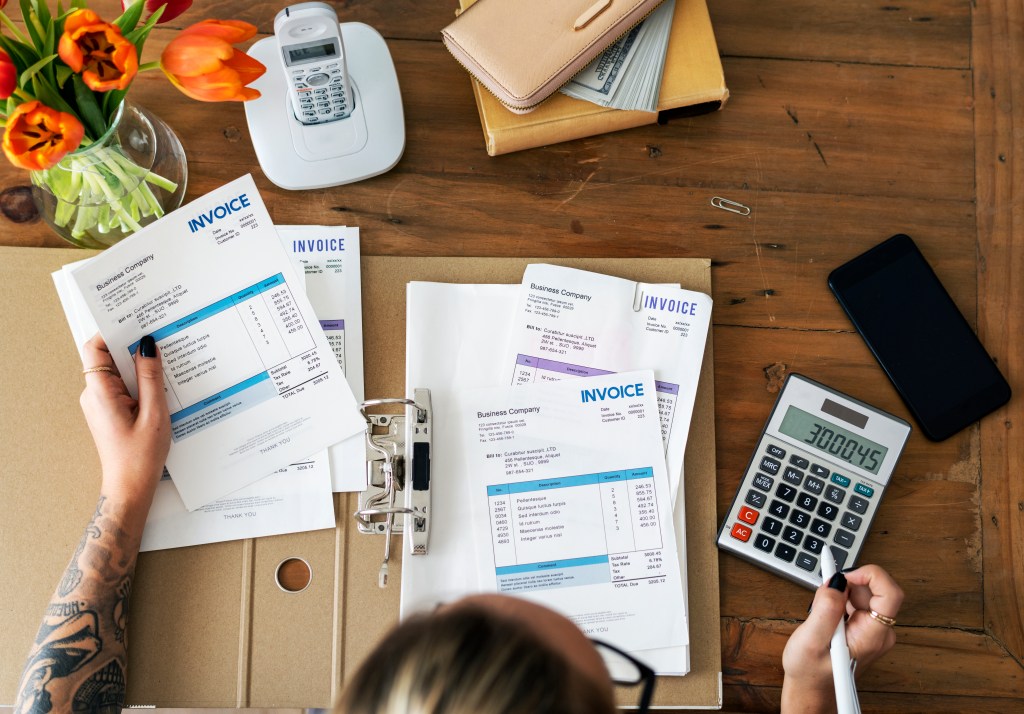
A debit note is an essential document used by sellers to inform buyers that their account has been debited. It indicates an increase in the amount the buyer owes the seller. Unlike a credit note, which reduces the amount owed, a debit note reflects an increase in the payable balance.
When Should a Debit Note Be Used?
There are several situations where issuing a debit note is necessary. Here are common circumstances for using a debit note:
- Mistakes on the Original Invoice: If an error was made in the initial invoice, a debit note can be issued to correct the discrepancies.
- Increased Order Value: When the buyer requests to add items to the original order, a debit note increases the balance due.
- Additional Charges: If there are unexpected costs or adjustments to the transaction after the invoice is issued, the debit note reflects these new amounts.
How to Issue a Debit Note?
To ensure proper invoicing and compliance with ZATCA regulations, a debit note should include the following information:
-
-
- Debit Note Number: This should be cross-referenced with the original invoice for easy tracking.
- Issuance Date: Clearly state when the debit note was issued.
- Order/Customer Reference Number: Link the debit note to the relevant order or customer for better record-keeping.
- Payment Terms: Specify the payment conditions and any deadlines.
- Seller and Buyer Contact Details: Include the necessary contact information for both parties.
- Rationale for the Debit Note: State why the debit note was issued (e.g., mistake correction, additional charges).
-

Key Information in a Credit Note
A credit note typically follows a similar structure to an invoice. To ensure accuracy and compliance with ZATCA regulations, the following details should be included:
- Credit Note Number: Reference the corresponding invoice.
- Issuance Date: Date the credit note is issued.
- Order/Customer Reference Number: Link the credit note to the specific order or customer.
- Payment Terms: Include the payment terms for the credit note.
- Contact Details: Provide contact information for both the buyer and seller.
- Reason for the Credit Note: Clearly state why the credit note is issued.
- Tax Information: Include any applicable taxes, if the original invoice included them.