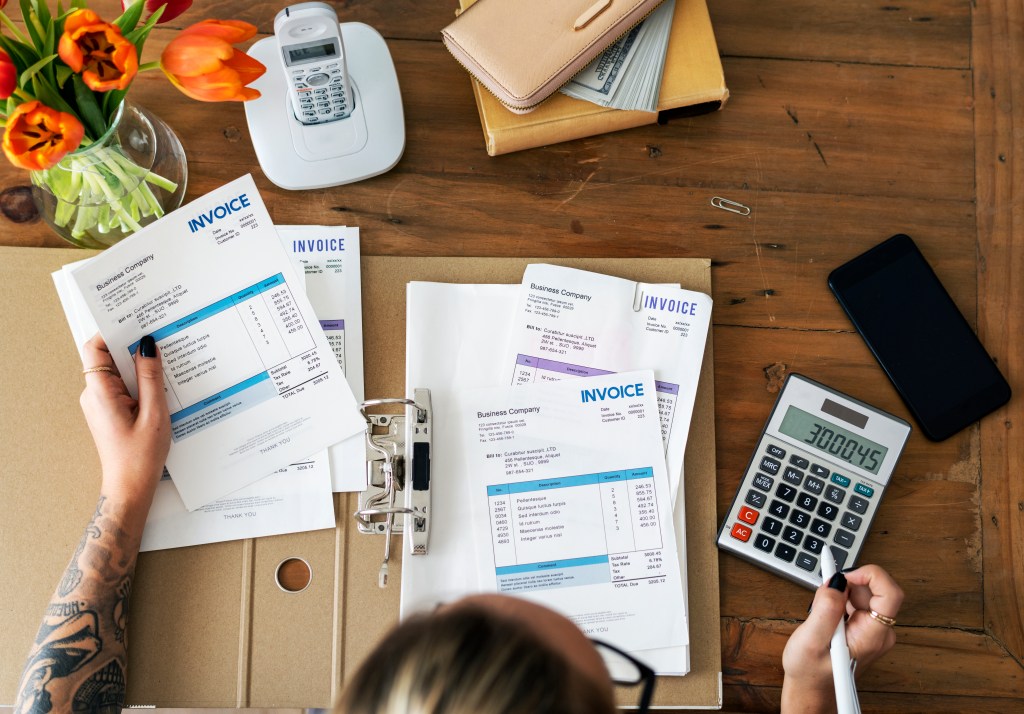
The recent e-invoicing breach in Europe has raised alarm bells about the vulnerabilities within digital invoicing systems. As businesses increasingly adopt electronic invoicing (e-invoicing) for efficiency and cost-effectiveness, the risks of data breaches, fraud, and cyber-attacks have become more pronounced. This breach serves as a wake-up call for organizations to strengthen their security protocols. Below are four key security takeaways from this breach that can help prevent future incidents and ensure better protection of sensitive financial data.
1. Implement Robust Data Validation and Verification Processes
One of the most significant factors contributing to the e-invoicing breach was the lack of stringent data validation and verification procedures. In a digital environment where thousands of invoices are processed daily, it’s crucial that each invoice is carefully validated before being authorized for payment.
To prevent fraud and unauthorized access, companies should:
-
Automate Validation: Use software tools that automatically verify critical details such as supplier identity, tax information, amounts, and account numbers. Any discrepancies or inconsistencies should trigger an alert for manual review.
-
Cross-check Data with External Sources: Cross-referencing invoice data with trusted third-party sources can help identify fraudulent invoices early. For example, verifying a vendor’s tax ID number against government databases can ensure the legitimacy of the invoice.
-
Vendor Authentication: Ensure that vendors follow a secure process for submitting invoices and that they are authenticated through secure methods (such as two-factor authentication). This limits the risk of fraudsters impersonating legitimate vendors.
These measures will help prevent false invoices from being processed and protect against a variety of cyber risks.
2. Enhance System Security with Encryption and Secure Platforms
The breach underscored the vulnerability of e-invoicing systems to cyber-attacks that exploit weaknesses in data transmission or platform security. Sensitive financial data, such as payment details and vendor accounts, can be intercepted if transmitted unencrypted or stored on insecure platforms.
To protect against data leaks and hacking attempts, businesses should:
-
Encrypt Data: All invoice data, including attachments and payment information, should be encrypted both during transmission and at rest. End-to-end encryption ensures that even if data is intercepted, it remains unreadable without the decryption key.
-
Adopt Secure Platforms: Choose e-invoicing platforms that comply with the highest security standards, such as ISO 27001, SOC 2, and GDPR. Secure platforms often have built-in features like multi-factor authentication (MFA), role-based access control, and regular security updates, which can mitigate many common vulnerabilities.
-
Secure Access Points: Implement strict access controls to ensure that only authorized personnel have access to sensitive data. Role-based access systems should limit access according to an individual’s responsibilities within the organization.
By bolstering encryption and platform security, companies can create a much safer environment for processing e-invoices.

3. Establish Comprehensive Audit Trails and Monitoring
Following the breach, it became clear that one of the best ways to detect and prevent fraudulent activities is by maintaining a detailed audit trail. Audit trails track all actions performed on an invoice, such as edits, approvals, and payments, and create a record of who made each change.
To enhance accountability and detect fraud quickly, organizations should:
-
Enable Real-Time Monitoring: Implement systems that continuously monitor e-invoicing activities in real-time. Alerts should be triggered if suspicious or unusual actions are detected, such as large or out-of-pattern payments being processed.
-
Maintain Comprehensive Logs: Every action related to invoices, such as viewing, editing, or approving, should be logged with timestamps and user IDs. This will help identify any unauthorized changes or unusual behaviors.
-
Conduct Regular Audits: Periodic audits should be carried out to ensure that invoices are being processed in accordance with company policies and that no fraudulent activities have occurred. Regular audits can uncover vulnerabilities before they are exploited.
Having detailed records not only helps catch fraudulent activities early but also ensures that businesses comply with financial regulations and can demonstrate due diligence.
4. Stay Informed and Comply with Regulatory Standards
A major takeaway from the breach is the need for companies to stay current on evolving regulations related to e-invoicing and data protection. European legislation, such as the EU’s Directive 2014/55/EU, requires the implementation of a common European standard for e-invoicing in public sector transactions, and adherence to these regulations is essential for both security and compliance.
To ensure their e-invoicing systems are secure and legally compliant, businesses should:
-
Keep Up with Legal Changes: Regulations around data protection and e-invoicing are constantly evolving. For instance, under the General Data Protection Regulation (GDPR), organizations are required to implement robust data security measures and ensure personal data is protected. Staying up-to-date with the latest legal requirements can help avoid non-compliance penalties and reduce risks.
-
Adopt International Standards: E-invoicing platforms that adhere to international standards, such as ISO/IEC 27001 or the EU’s eInvoicing standards, offer better security features, reducing the likelihood of breaches. Implementing these best practices will ensure systems are well-prepared to handle cyber threats.
-
Conduct Training and Awareness Campaigns: Regularly educate employees about security protocols, the importance of compliance, and how to spot phishing or other fraudulent activities. Ensuring that all stakeholders are informed and vigilant will increase the overall security of the invoicing process.
Being proactive about regulations and compliance is not just about avoiding penalties; it’s about maintaining trust with customers, partners, and regulators.
“Even though we’re not specifically discussing e-invoicing, the need for stronger security measures in general is clear. The talent required to implement these systems effectively is scarce, and it’s vital that we bring more professionals into the field to help safeguard sensitive financial data.”
The recent e-invoicing breach in Europe has revealed critical security weaknesses that can have far-reaching consequences for businesses and individuals alike. By implementing robust data validation, enhancing encryption and platform security, establishing audit trails, and staying informed about regulations, companies can protect themselves against such breaches. As e-invoicing continues to grow in popularity, adopting these security best practices will help ensure the safe, efficient processing of invoices and safeguard sensitive financial information.
Ultimately, proactive security measures are essential to not only protect data but also to preserve the trust and reputation of an organization in an increasingly digital world.