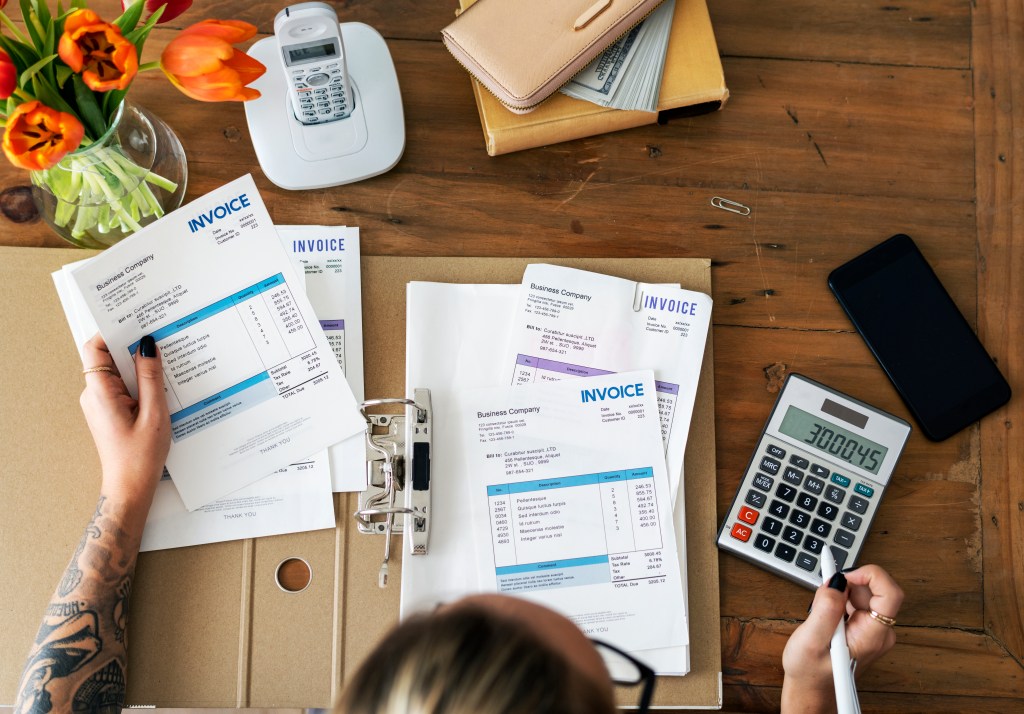
As businesses increasingly adopt e-invoicing to streamline operations, securing these digital transactions has become more critical than ever. Blockchain technology offers an innovative solution to enhance the security of e-invoices, ensuring data integrity and compliance with regulations seamlessly.
What is Blockchain Technology?
Blockchain is a decentralized network that securely stores transaction data. This structure makes it extremely difficult for anyone to tamper with the data, significantly reducing the risk of fraud and cyber-attacks. It provides a more reliable way to manage digital transactions, such as e-invoices.
Why Is Security Crucial in E-Invoicing?
While e-invoicing offers many advantages—like increased efficiency and environmental benefits—it also brings new security challenges. Issues such as data tampering and unauthorized access are growing concerns. Although traditional methods like encryption are important, they may not always protect against evolving cyber threats. By integrating blockchain technology, businesses add an extra layer of protection, ensuring their e-invoices remain secure and compliant with industry regulations.

How Blockchain Improves E-Invoice Security?
-
-
-
Immutability: Once recorded, e-invoices cannot be altered, preventing fraud and ensuring accuracy.
-
Transparency: All involved parties (buyers, sellers, and regulators) can access a secure, unchangeable ledger for easy verification.
-
Decentralization: The data is distributed across multiple nodes, making it much harder for hackers to tamper with or steal information.
-
Smart Contracts: Blockchain allows automation of invoicing processes, reducing the risk of human error and boosting overall security.
-
-
By adopting blockchain for e-invoicing, businesses can secure their transactions and enhance trust with customers and regulators alike.