In today’s fast-paced business environment, efficient inventory management is no longer a luxury—it’s a necessity. For companies in Saudi Arabia, where the Kingdom is undergoing a major digital transformation, electronic invoicing (e-invoicing) has emerged as a powerful tool for streamlining operations, cutting costs, and enhancing inventory accuracy.
By automating invoicing processes and integrating them with inventory systems, businesses can unlock real-time insights, reduce manual errors, and improve profitability. This article explores how e-invoicing improves inventory management, backed by industry statistics and actionable insights.
1. Real-Time Inventory Tracking: E-invoicing updates inventory levels automatically as goods are received and sold—eliminating the lag time typical with manual data entry.
2. Improved Demand Forecasting: E-invoicing provides a digital trail of transactional data, offering insights into customer purchasing behaviors and seasonal trends. Businesses can analyze these patterns to adjust stock levels more effectively, avoiding overstocking or understocking.
3.Reduced Administrative Costs: Manual, paper-based invoicing processes are time-consuming, error-prone, and costly. E-invoicing eliminates these inefficiencies, allowing businesses to focus their efforts on strategic inventory decisions.
4. Stronger Supplier Relationships: E-invoicing enables faster, more accurate transactions, leading to timely payments and better communication with suppliers. This fosters trust and often results in improved terms, faster deliveries, and more reliable stock replenishment.
5. Better Cash Flow Management: Inventory planning depends heavily on available cash flow. E-invoicing gives businesses real-time visibility into payment schedules and outstanding invoices, improving financial planning and inventory purchasing decisions.
6. Seamless ERP Integration: E-invoicing systems easily integrate with Enterprise Resource Planning (ERP) platforms, streamlining every stage of the supply chain—from order placement to inventory replenishment.
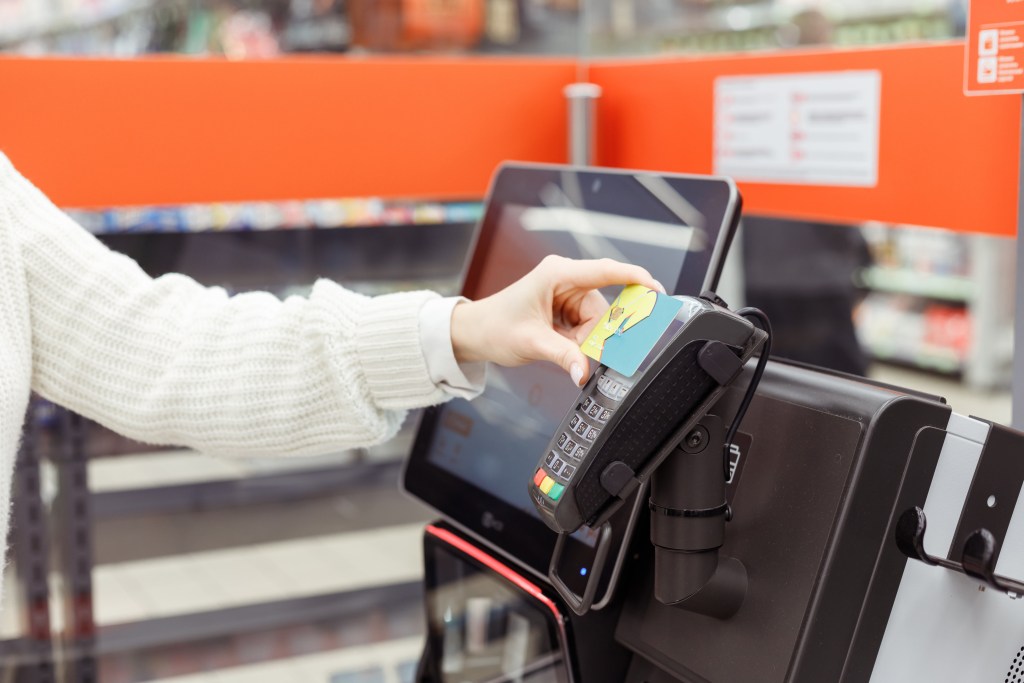
E-invoicing is no longer just a compliance requirement—it’s a strategic asset for inventory management. From real-time tracking to cost reduction and improved forecasting, digital invoices are transforming the way Saudi businesses manage their inventory.
As more companies in the Kingdom embrace digital transformation, e-invoicing will play an essential role in enhancing operational efficiency and long-term profitability.