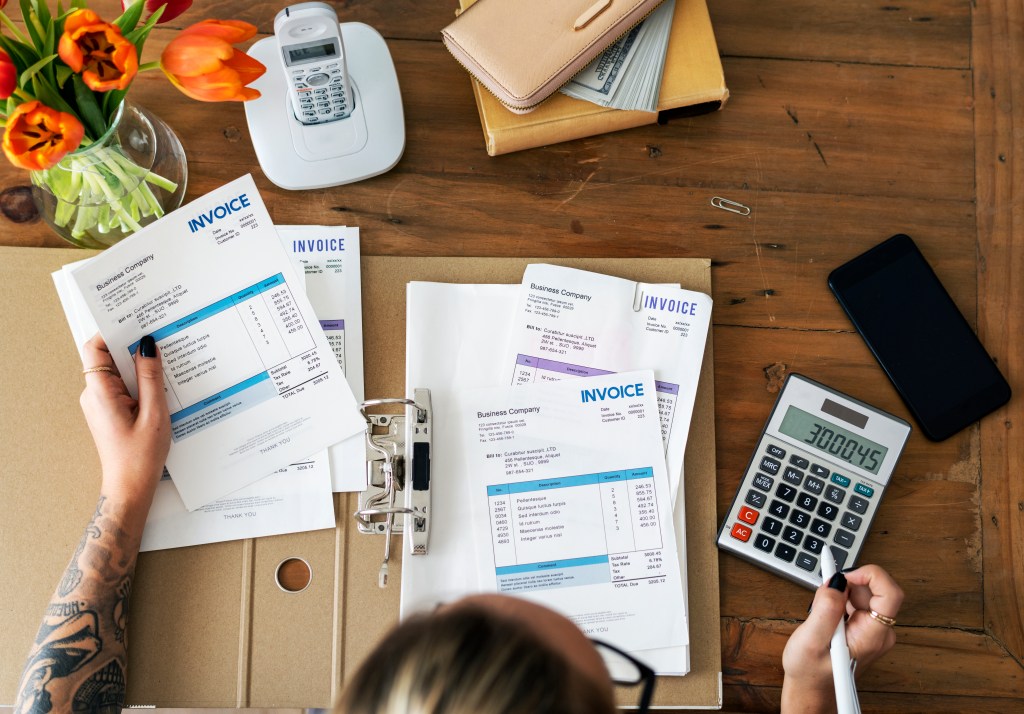
A debit note is a document issued by a seller to inform the buyer that their account has been debited. It increases the amount the buyer owes the seller. Unlike a credit note, which reduces the amount owed, a debit note reflects an increase in the balance.
When Should You Use a Debit Note?
You should issue a debit note in the following situations:
-
-
- Mistakes on the Original Invoice: If an error occurred on the original invoice, you can issue a debit note to correct the amount due.
- Order Value Increases: If the buyer adds items to the order after the original invoice is issued, a debit note will adjust the total.
- Additional Charges: Any extra charges or changes to the order can be reflected in the debit note.
-
What Information Should a Debit Note Contain?
To ensure accuracy and ZATCA compliance, include the following details in your debit note:
-
-
- Debit Note Number: Cross-reference it with the original invoice number.
- Issuance Date: Clearly state the date the debit note is issued.
- Order or Customer Reference Number: Link it to the relevant order or customer.
- Payment Terms: Define the payment conditions and deadlines.
- Contact Details: Include contact information for both the seller and buyer.
- Reason for the Debit Note: State the reason for issuing the debit note, such as a correction or added charges.
- Taxes: If taxes were included in the original invoice, ensure they are also included in the debit note.
-

Why Are Debit Notes Important for Your Business?
- Maintain Accurate Financial Records: Debit notes help in tracking adjustments and additions to your transactions.
- Improve Transparency: By issuing a debit note, both the seller and buyer are clear on the adjustments made to the original invoice.
- Gouvernement Compliance: Following the correct structure and including the necessary information ensures that your debit note complies with gouvernement regulations.
- Maintain Accurate Financial Records: Debit notes help in tracking adjustments and additions to your transactions.